
Who was Colonel Gaddafi? Why is "Colonel Gaddafi: The Rise And Fall Of Libya's Dictator" important to read?
Our team did some analysis and digging and came up with the information that we put together this guide to help you make the right decision.
Key differences or Key takeaways:
| Colonel Gaddafi | Libya | |
|---|---|---|
| Born | 1942 | 1951 |
| Died | 2011 | - |
| Occupation | Military officer, politician | Country |
| Known for | Dictator of Libya | Oil-rich country in North Africa |
Main article topics:
- Early life and career
- Rise to power
- Rule of Libya
- Death and legacy
FAQ
Explore common inquiries and misconceptions surrounding Colonel Muammar Gaddafi's reign and its aftermath in Libya.

Muammar al-Gaddafi - Wikiwand - Source www.wikiwand.com
Question 1: What were the motivations behind Gaddafi's rise to power?
Gaddafi emerged as a charismatic and ambitious military officer within a marginalized tribe. He exploited popular discontent with the Western-backed monarchy and the perceived corruption of the ruling elite.
Question 2: How did Gaddafi maintain his grip on power for so long?
Gaddafi employed various strategies to consolidate his authority, including the establishment of a secret police, suppression of dissent, and the creation of a complex patronage system that distributed benefits to loyalists.
Question 3: What factors contributed to the Libyan Civil War?
Economic grievances, political unrest, and a perception of Gaddafi's authoritarian rule as outdated contributed to widespread discontent. The war began as part of the wider Arab Spring uprisings in 2011.
Question 4: What were the consequences of Gaddafi's overthrow?
The aftermath of Gaddafi's demise has been marked by instability, violence, and political fragmentation. Libya has faced challenges in establishing a stable government and addressing the needs of its citizens.
Question 5: How has the legacy of Gaddafi shaped Libyan society?
Gaddafi's rule left a significant impact on Libya, both positive and negative. His economic policies benefited some, while his authoritarianism and suppression of dissent have left a lasting mark on the country's political culture.
Question 6: What lessons can be learned from the rise and fall of Colonel Gaddafi?
Gaddafi's story highlights the dangers of authoritarian rule, the importance of political accountability, and the challenges of transitioning from dictatorship to democracy.
The complexities of Gaddafi's reign and its aftermath continue to be debated by historians, political scientists, and policymakers alike, offering valuable lessons for understanding authoritarianism and its consequences.
Proceed to the next section for an in-depth analysis of the historical and political aspects of Colonel Gaddafi's regime.
Tips
To understand the complex trajectory of Colonel Gaddafi: The Rise And Fall Of Libya's Dictator, here are some insightful tips:
Tip 1: Research historical context.
The historical backdrop of Libya before Gaddafi's rule provides essential context. Investigate the country's political, economic, and social conditions to grasp the challenges he faced upon taking power.
Tip 2: Analyze his ideology and policies.
Gaddafi professed a unique blend of Arab nationalism, socialism, and Islam. Examine his policies, including the Green Book and the establishment of Jamahiriya, to gain insight into his governance style and impact.
Tip 3: Study his domestic and international relations.
Gaddafi pursued both confrontational and cooperative approaches in his relationships with other countries. Explore his interactions with the Arab world, the West, and Africa to understand his diplomatic strategies.
Tip 4: Examine his personal life and charisma.
Gaddafi's charismatic personality played a significant role in his leadership. Delve into his biography, speeches, and public appearances to assess his ability to connect with the Libyan population and project power.
Tip 5: Investigate the factors leading to his downfall.
The Libyan Civil War and Gaddafi's eventual overthrow were complex events. Analyze the internal and external forces that contributed to his demise, including the Arab Spring, international intervention, and popular dissent.
By following these tips, you can gain a comprehensive understanding of Colonel Gaddafi's rise, rule, and fall, providing valuable insights into the complexities of modern Libyan history.
Colonel Gaddafi: The Rise And Fall Of Libya's Dictator
Muammar Gaddafi ruled Libya for four decades before his overthrow in 2011. Understanding his rise and fall requires examining various key aspects.
- Charismatic Leader: Gaddafi's charisma and oratory skills played a significant role in his rise to power.
- Political Ideology: His ideology, a mix of Arab nationalism, socialism, and Islamic elements, resonated with many Libyans.
- Suppression of Dissent: Gaddafi's regime was marked by the suppression of dissent and the elimination of political opposition.
- Oil Dependency: Libya's oil wealth provided Gaddafi's regime with financial resources to maintain his power.
- International Isolation: Gaddafi's eccentric behavior and support for terrorism isolated Libya internationally.
- 2011 Revolution: The Arab Spring uprisings of 2011 led to widespread protests in Libya, ultimately resulting in Gaddafi's overthrow and death.
In conclusion, the rise and fall of Colonel Gaddafi intertwines charismatic leadership, political ideology, internal repression, resource dependency, international isolation, and social unrest. His regime was a complex interplay of these factors, providing a cautionary tale about the dangers of unchecked power and the importance of accountability in governance.
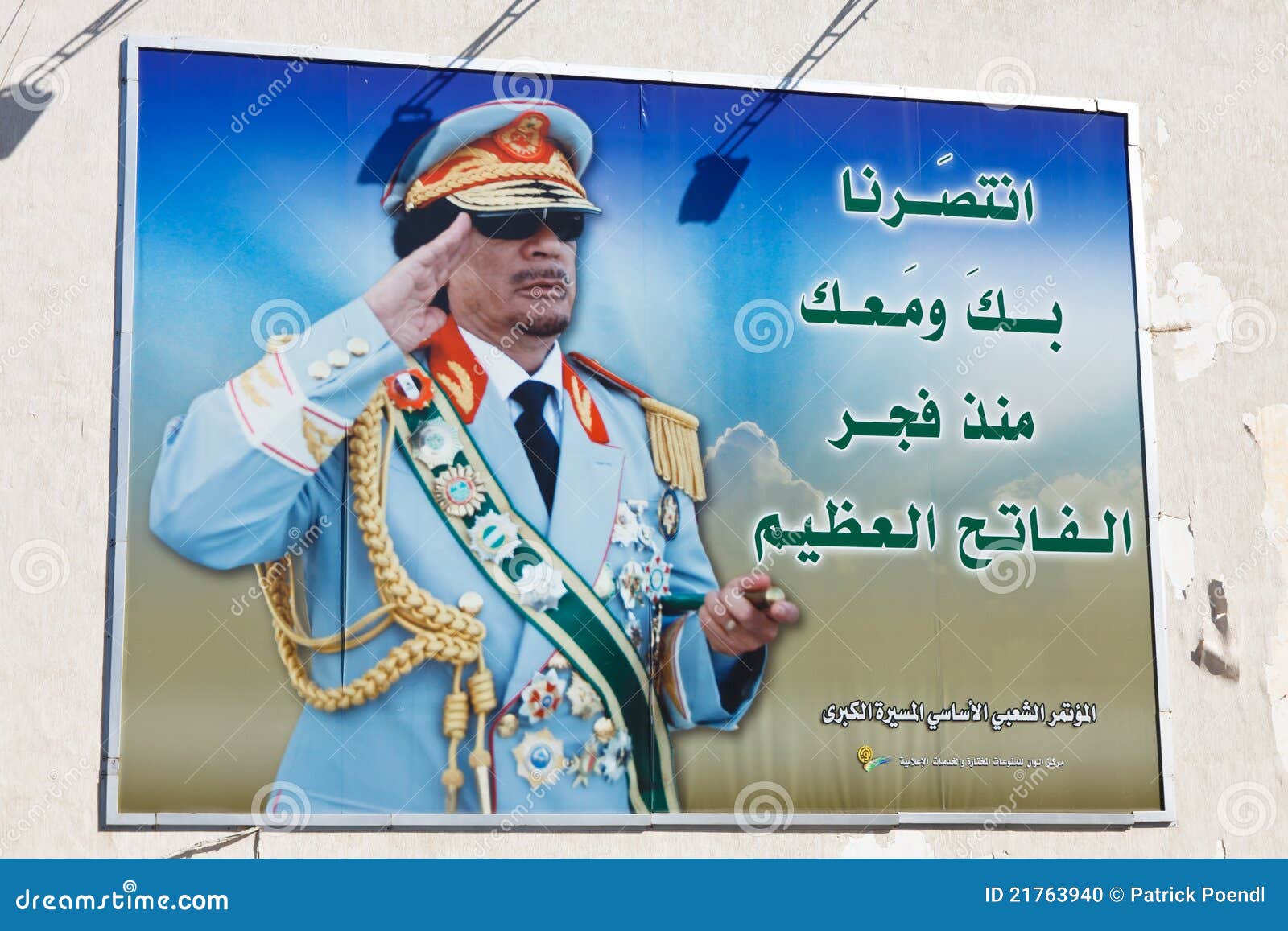
Colonel Muammar al-Gaddafi editorial image. Image of qaddhafi - 21763940 - Source www.dreamstime.com

The Death of Colonel Gaddafi - Source gordonbelray.com
Colonel Gaddafi: The Rise And Fall Of Libya's Dictator
The biography "Colonel Gaddafi: The Rise And Fall Of Libya's Dictator" chronicles the life and reign of Muammar Gaddafi, from his humble beginnings to his rise to power and eventual demise. It offers a comprehensive overview of Gaddafi's life, exploring the factors that shaped his ideology, his political strategies, and the consequences of his actions both within Libya and on the international stage.

The Death of Colonel Gaddafi - Source gordonbelray.com
Gaddafi's rise to power was marked by a combination of political maneuvering, charisma, and a populist appeal. His ideology, which he called the Third Universal Theory, was a blend of Arab nationalism, socialism, and Islamic principles. Gaddafi used his power to implement a number of radical policies, including the nationalization of industries and the establishment of a "Libyan Jamahiriya" (a form of direct democracy). While these policies initially brought him popular support, they also alienated many Libyans and created a climate of fear and repression.
Gaddafi's rule was also characterized by a foreign policy that was often unpredictable and confrontational. He supported various terrorist organizations and was accused of developing weapons of mass destruction. These actions led to Libya's isolation from the international community and eventually to sanctions and military intervention. In 2011, Gaddafi was overthrown and killed by rebel forces, ending his 42-year dictatorship.
The biography "Colonel Gaddafi: The Rise And Fall Of Libya's Dictator" provides a valuable insight into the life and legacy of one of the most controversial figures of the 20th century. It is a detailed account of Gaddafi's rise to power, his rule, and his eventual downfall. The book offers a nuanced understanding of Gaddafi's ideology, his policies, and the consequences of his actions.
| Theme | Key Points |
|---|---|
| Rise to Power |
|
| Rule of Libya |
|
| Overthrow and Death |
|