
Are schools in your area closed due to inclement weather, a power outage, or another emergency? If so, it's important to stay informed and prepared.
Editor's Notes: "School Closures In Your Area: Stay Informed And Prepared" have published today date". Understanding weather and emergency-related school closures are very important for the safety and security of your children. That's why we put together this "School Closures In Your Area: Stay Informed And Prepared" guide to help you make the right decision.
In this guide, we'll provide you with information on how to find out if your child's school is closed, what to do if it is, and how to prepare for future school closures.
Key Differences in School Closures
| Weather-Related Closures | Emergency-Related Closures | |
|---|---|---|
| Reason for Closure | Inclement weather, such as snow, ice, or high winds | Power outages, fires, or other emergencies |
| Notice | Typically announced in advance | May be announced with little or no notice |
| Duration | Can range from a few hours to several days | Can last for an extended period of time |
FAQs
Families and communities should stay informed and prepared in the event of school closures in their area. This FAQ section provides crucial information to address common concerns and misconceptions.

School Closures ― Remote Learning helps students to stay on track | SKOOLER - Source skooler.com
Question 1: What are the potential reasons for school closures?
School closures may be necessary due to inclement weather conditions, such as heavy snowfall or hurricanes, that pose a safety risk to students and staff. Additionally, closures may be implemented to prevent the spread of contagious illnesses, maintain building safety after an incident, or accommodate special events or emergencies.
Question 2: How will families be notified of school closures?
Families should refer to their school district's communication channels for official closure announcements. Common methods include automated phone calls, text messages, emails, and the district's website or mobile app.
Question 3: What are the contingency plans for students during closures?
Schools may have established home learning plans that include online or offline learning materials, virtual classes, or homework assignments. Students should follow their teachers' instructions and complete assignments promptly.
Question 4: What support is available for families with special needs children during closures?
Families with special needs children should contact their school's special education department for guidance and support. Schools may provide alternative learning arrangements or additional resources to meet individual student needs.
Question 5: How can families prepare for potential school closures?
Families should have a plan in place for childcare and home-based learning during closures. They can also stock up on essential supplies, such as food, water, and medication, and identify alternative sources of information and support.
Question 6: What should families do if they have concerns or questions about school closures?
Families should direct their inquiries to their school's administration or the district's central office. Staying informed and following official guidelines helps ensure the safety and well-being of students and families during school closures.
By staying informed and adhering to school district guidelines, families and communities can effectively navigate school closures, minimize disruptions, and ensure the continuity of education for all students.
Please continue reading to learn more about school closure safety measures and community support programs.
Tips
When school closures occur in your area, it is important to stay informed and prepared. Here are some tips to help you navigate this situation effectively.
Tip 1: Check official sources for information.
Reliable sources for school closure information include the school district website, local news outlets, and official social media accounts. Avoid relying on rumors or unverified sources.
School Closures In Your Area: Stay Informed And Prepared
Tip 2: Prepare for academic continuity.
If possible, gather necessary school materials such as textbooks, workbooks, and electronic devices. Establish a dedicated study space at home to maintain a structured learning environment.
Tip 3: Stay connected with teachers and classmates.
Use available communication platforms provided by the school to stay in touch with teachers and peers. Participate in virtual classes, ask questions, and collaborate on assignments remotely.

SCHOOL CLOSURES CAUSED LEARNING LOSS - Source www.magzter.com
Tip 4: Maintain a regular schedule and routine.
Establishing a regular sleep-wake cycle and setting aside specific times for study, breaks, and physical activity helps maintain a sense of normalcy and supports productivity.
Tip 5: Utilize online learning resources.
Explore online educational platforms, educational apps, and virtual tutoring services to supplement classroom instruction. These resources can provide additional support and enrichment opportunities.
Summary:
By following these tips, you can stay informed during school closures and ensure academic progress continues despite the interruption. Remember to prioritize reliable sources, establish a supportive learning environment, and stay connected to your teachers and peers.
School Closures In Your Area: Stay Informed And Prepared
In the wake of unforeseen circumstances, school closures have become increasingly prevalent, necessitating informed and proactive measures. Understanding the key aspects of school closures in your area is paramount for ensuring a seamless transition and maintaining academic progress.
- Monitor Official Sources: Stay updated through official channels, such as school websites, social media, and local news.
- Contingency Plans: Establish alternative learning arrangements, including online platforms and assignments, to ensure continuity of education.
- Childcare Considerations: Explore childcare options for younger students and make arrangements in advance to ensure their well-being.
- Stay Connected: Maintain regular communication with teachers and school administrators to stay informed about closure updates and academic expectations.
- Mental Health Support: Be mindful of the potential emotional impact of school closures on children and provide support and resources as needed.
- Community Resources: Utilize available community resources, such as libraries and community centers, to supplement learning and provide support services.
By addressing these key aspects, you can empower yourself and your children to navigate school closures effectively. Remember to stay informed, stay connected, and stay prepared to minimize disruptions and ensure a successful educational experience despite unforeseen circumstances.
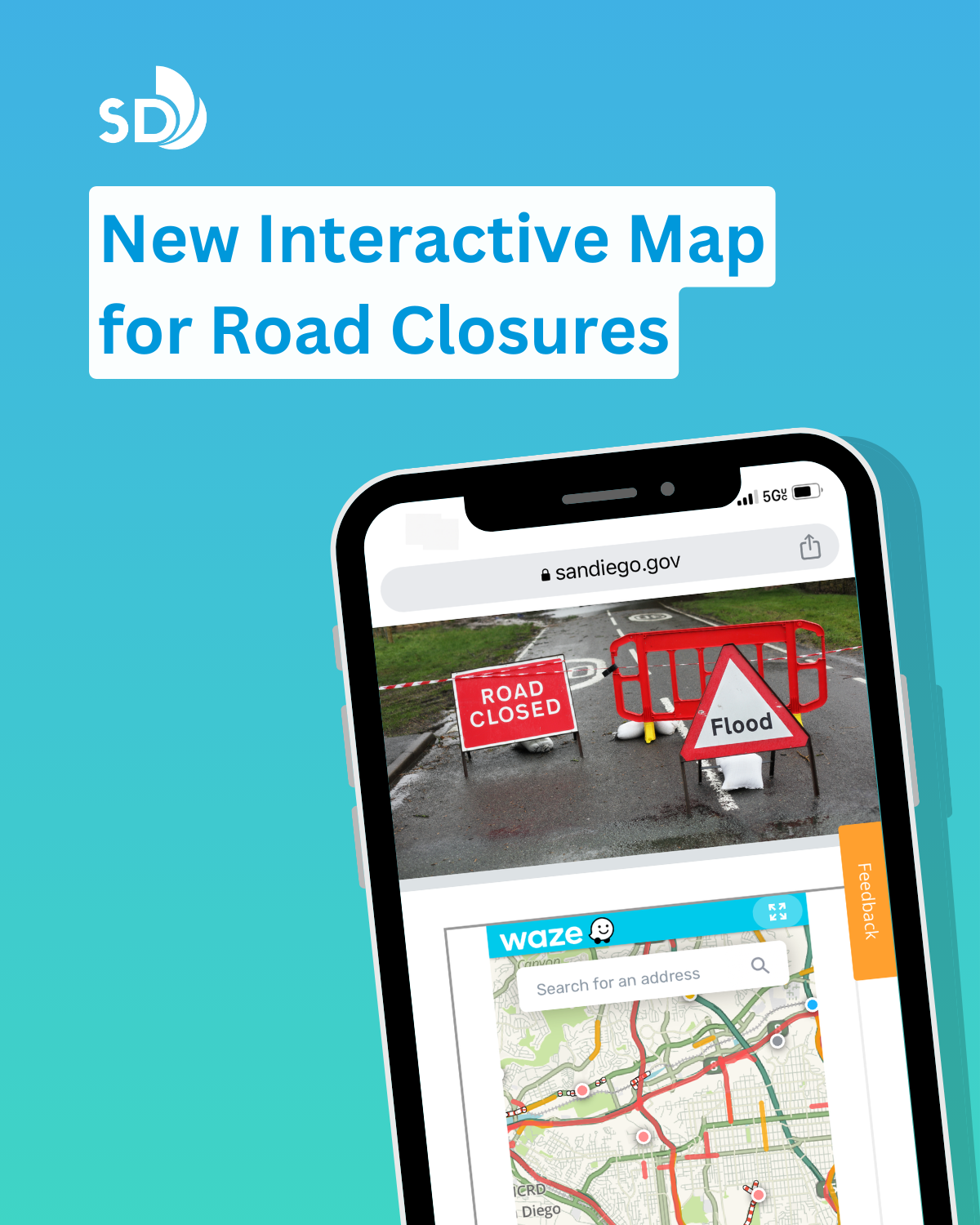
Stay informed and plan your route with the City's new interactive map - Source nextdoor.com
School Closures In Your Area: Stay Informed And Prepared
School closures can be a major disruption to students and families. They can cause students to miss out on valuable learning time, and they can make it difficult for parents to work. That's why it's so important to stay informed about school closures in your area and to be prepared for them.
Eine App für alle Lebenslagen - Stay Informed App - Source www.stayinformed.de
There are a number of reasons why schools might close. Some of the most common reasons include:
If you live in an area that is prone to school closures, it's a good idea to have a plan in place for what you will do if your child's school is closed. This plan should include:
There are a number of ways to stay informed about school closures. You can check your local news station, listen to the radio, or visit your school's website. You can also sign up for email or text alerts from your school district.
By staying informed and prepared, you can help to make sure that school closures don't have a negative impact on your child's education.
| Tip | Description |
|---|---|
| Have a plan in place | Decide what you will do if your child's school is closed, including alternative childcare options and a plan for making up missed schoolwork. |
| Stay informed | Check your local news station, listen to the radio, or visit your school's website to get the latest information on school closures. |
| Sign up for alerts | Many school districts offer email or text alerts that will notify you of school closures. |
| Be prepared | Have a supply of food and water on hand in case of an emergency. |