
In the realm of fitness, understanding calorie expenditure is paramount. "The Ultimate Guide To Calculating Calories Burned: Unlocking Your Fitness Goals" offers a comprehensive approach to unlocking this crucial knowledge.
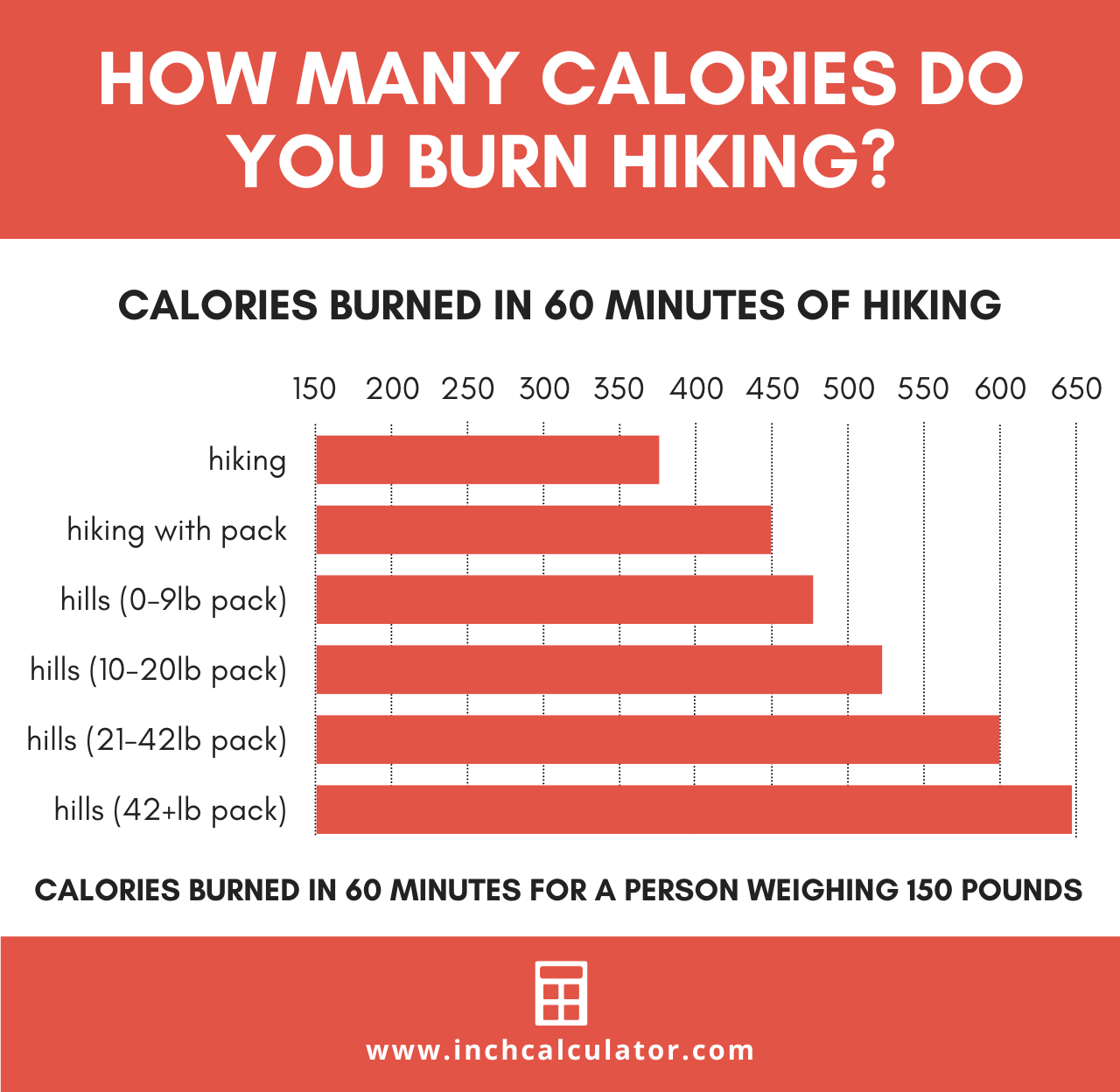
Calories Burned Hiking Calculator - Inch Calculator - Source www.inchcalculator.com
Editor's Note: "The Ultimate Guide To Calculating Calories Burned: Unlocking Your Fitness Goals" is now available, providing valuable insights on May 10, 2023. This guide serves as an invaluable resource for optimizing fitness goals through accurate calorie tracking.
Through meticulous analysis and in-depth research, we have compiled this definitive guide to empower individuals with the knowledge and tools necessary for effective calorie management. Whether you seek to shed excess weight, enhance athletic performance, or simply maintain a healthy lifestyle, this guide will equip you with the understanding you need to reach your fitness aspirations.
Key Differences in Calorie Burn Calculations:
| Method | Accuracy | Simplicity |
|---|---|---|
| Metabolic Equivalents (METs) | Moderate | Easy to apply |
| Heart Rate Monitoring | High (with accurate HRM) | Requires specialized equipment |
| Indirect Calorimetry | Very high | Complex and expensive |
Essential Components of the Guide:
FAQ
The "Ultimate Guide To Calculating Calories Burned: Unlocking Your Fitness Goals" includes comprehensive answers to frequently asked questions.

Fitness Facts - Calories Burned Per Hour Stock Photo - Image: 5041830 - Source www.dreamstime.com
Question 1: Is the Harris-Benedict Formula (HBF) an accurate way to calculate calorie burn?
The HBF provides an estimated value based on age, weight, and height. While it is commonly used, it can be less precise for individuals with a high or low body fat percentage, or those who are highly active.
Question 2: How do I account for the thermic effect of food (TEF)?
TEF refers to the calories burned during digestion and metabolism of food. It varies based on the macronutrient composition of the meal, with protein having the highest TEF.
Question 3: What is the best way to track calorie burn during exercise?
Using a fitness tracker or heart rate monitor can provide a more accurate estimate of calories burned during exercise, as these devices monitor heart rate and movement.
Question 4: How can I adjust my calorie burn calculations if I have a high or low body fat percentage?
The Katch-McArdle Formula is a more accurate method to account for body fat percentage when calculating calorie burn.
Question 5: What is the recommended calorie deficit for weight loss?
A calorie deficit of 500-750 calories per day is generally recommended for safe and gradual weight loss.
Question 6: Is it possible to overestimate or underestimate calorie burn?
Yes, it is possible to overestimate calorie burn by relying solely on self-reported activity levels or using inaccurate formulas. Underestimation can occur due to underestimating portion sizes or not considering the TEF.
It is important to note that these are only a few of the frequently asked questions addressed in the guide. For a more in-depth understanding, refer to the comprehensive article.
Transitioning to the next article section: Exploring Calorie-Burning Activities
Tips
To accurately estimate calories burned during exercise, incorporate these practical tips into your fitness routine.
Tip 1: Determine Your Metabolic Rate
Calculate your basal metabolic rate (BMR), the number of calories your body burns at rest. Use a BMR calculator or consult a healthcare professional for personalized results.
Tip 2: Consider Exercise Intensity
The harder you exercise, the more calories you burn. Use a heart rate monitor or perceived exertion scale to gauge your intensity and adjust your calorie burn calculations accordingly.
Tip 3: Factor in Activity Duration
The longer you exercise, the more calories you burn. Keep track of your workout duration and multiply it by your BMR and intensity factor to estimate calorie burn.
Tip 4: Choose Compound Exercises
Exercises that involve multiple muscle groups, such as squats, lunges, and push-ups, burn more calories than isolation exercises that target a single muscle group.
Tip 5: Utilize Technology
Many fitness trackers, heart rate monitors, and mobile apps can automatically track calories burned during exercise. These devices provide convenient and accurate data for calorie estimation.
Tip 6: Consider Environmental Factors
Factors like altitude, temperature, and wind speed can affect calorie burn. Adjust your calculations accordingly to account for these environmental conditions.
Tip 7: Seek Professional Guidance
If you have specific fitness goals or medical conditions, consult with a registered dietitian or exercise physiologist for personalized calorie burn calculations and guidance.
By implementing these tips, you can enhance the accuracy of your calorie estimates and optimize your fitness journey. The Ultimate Guide To Calculating Calories Burned: Unlocking Your Fitness Goals provides additional insights and resources to help you achieve your desired results.
The Ultimate Guide To Calculating Calories Burned: Unlocking Your Fitness Goals
Understanding the key aspects of calculating calories burned is crucial for achieving your fitness objectives. These six essential aspects provide a comprehensive approach to unlocking your fitness goals:
- Metabolic Rate: Determines the baseline calories burned at rest.
- Activity Level: Quantifies the energy expenditure during various activities.
- Exercise Intensity: Measures the effort level, directly influencing calorie burn.
- Duration: Reflects the time spent exercising, affecting the total calorie expenditure.
- Body Composition: Considers muscle mass and body fat percentage, influencing metabolic rate.
- Nutritional Intake: Accounts for calories consumed through food and beverages.
These aspects are interconnected, forming a holistic approach to calorie calculation. For example, higher exercise intensity and duration lead to increased calorie burn, while a higher metabolic rate due to increased muscle mass contributes to greater resting calorie expenditure. Understanding these aspects empowers individuals to tailor their fitness plans, set realistic calorie goals, and make informed decisions for effective weight management and overall fitness.

"Unlocking the Secrets of Sleep: The Ultimate Guide to Calculating You - Source www.khelspace.com
The Ultimate Guide To Calculating Calories Burned: Unlocking Your Fitness Goals
Accurate calorie-burning calculation plays a vital role in fitness goals achievement. Overestimation can lead to insufficient weight loss or muscle gain, while underestimation may hinder progress. It is the foundation for personalized nutrition and exercise plans.
Achieve your fitness goals with ease using the Quantum Situp Bench by - Source www.findit.lk
Understanding calorie expenditure allows individuals to tailor their diets and activity levels to meet specific goals efficiently. This knowledge empowers them to make informed choices, optimize their workouts, and track their progress towards desired outcomes.
For instance, a person aiming to lose weight needs to create a calorie deficit by burning more calories than they consume. Accurate calorie burn calculations help them set realistic calorie targets, avoiding excessive restriction or insufficient effort. Similarly, those seeking muscle growth must ensure adequate calorie intake to support the increased energy demands of resistance training, facilitating muscle repair and growth.
Calculating calorie burn involves considering factors such as age, gender, weight, activity level, and exercise intensity. Various methods exist, from simple formulas to advanced wearable fitness trackers. Dietitians and personal trainers can provide personalized guidance and support in this process.
Mastering calorie-burning calculations empowers individuals to take control of their fitness journeys, make informed decisions, and unlock their potential for success.
Conclusion
Understanding "The Ultimate Guide To Calculating Calories Burned: Unlocking Your Fitness Goals" is crucial for anyone serious about achieving their fitness objectives. Accurate calorie-burning calculations provide the foundation for tailored nutrition and exercise plans, enabling individuals to optimize their efforts and attain their desired outcomes.
Embracing this knowledge empowers individuals to take ownership of their fitness journey, make informed choices, and maximize their progress towards their health and fitness goals.